


The econ-brained miss much of how the world works. For example, that the mechanism behind priceless things (like “sovereignty”) is the same mechanism that powers dollar bills. This leads to grimly hilarious results, like Tyler Cowen arguing an unaligned superintelligence would want to “trade with us” because something-something everyone wants to make a profit. The world's CEVs are not composed of a substrate of dollar bills! It's the opposite. Trade is but one option on a gameboard run by the human CEV, which includes such things as “not letting other societies kill all your society's people” and “serving everyone's moral agenda” that do not always respond well to being priced. Priceless things are why prices were invented, not the reverse.
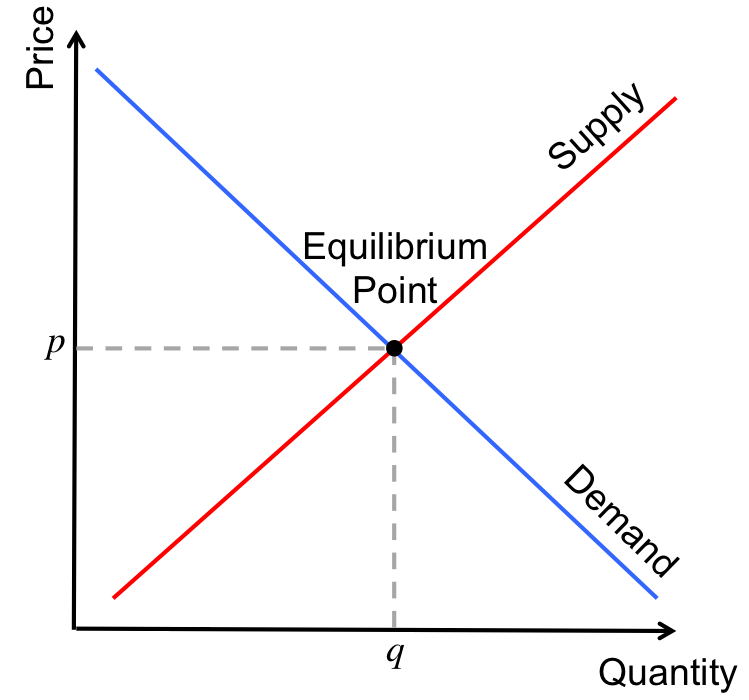
Prices are unreasonably, extraordinarily effective:
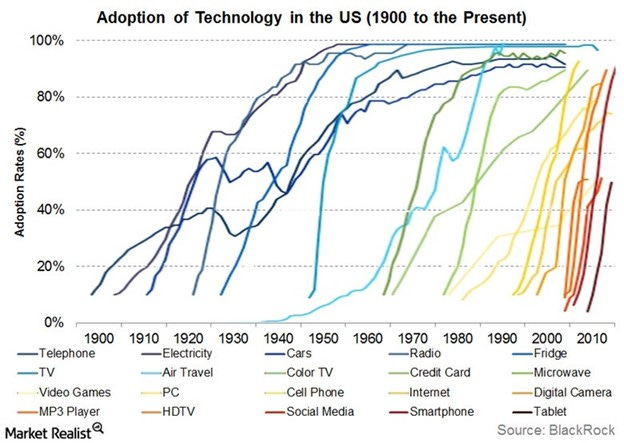

So it makes sense that the price-pilled among us tend to be very price-pilled. But in joyfully extending the reach of markets, they quickly run into genuinely priceless things and act shocked (shocked!) when people push back.
For example, there are those who believe finding viking loot under your home as in the example below should entitle you to doing with that loot what you wish:

It may seem surprising at first that this couple isn't being paid 1.8 million dollars! That the incentive for finding historical artifacts is a mere 25% cut. But it makes sense when you consider “a lot of things are priceless".
Culture, for one, is priceless. The national narrative of Sweden, which includes the viking period, is backstopped by items on display in museums whose access is considered a right for Swedish citizens. The idea that these coins might end up at a private auction is widely considered sad compared to the alternative where classroom field trips can admire them on display.1
Does that justify nabbing it from those who found the treasure? Well, the loot was never theirs: it was Bjørg Half-Eye's when he buried it there, and then his descendants scattered to the winds and the legal system changed. But if no-one can lay claim on them, why would it go to the state? Because the state is the Schelling point for collective morality. After enough time the coins gained more cultural value than they had inherent value from their silver. And who owns culture? “Us". And who gets to incarnate “us"?
Organized culture of this kind isn't necessarily virtuous, of course. A memeticist ( Connor Leahy, Jan Kulveit) might point out that we're seeing here is the Swedish egregore ruthlessly fending for itself by showcasing viking coins in museums to further tighten its grip on 10 million innocent [so-called “Swedish”] individuals. That the “nationalist revolutions” that swept Europe in the 1800s were a terrifying new branch in the egregore tech tree, whose “national identity” tool could subordinate tens of millions to a single memeplex, in some ways even more thoroughly than even religion.2 But clutching to power is priceless too:

A minor motivation here is fairness in the form of equality-of-opportunity. It's a game-theoretic truth that if you're not given enough slack to start with, you don't have a shot at all. “Permanent underclass” and its solution: redistribution by the state of the kind that lets younglings enjoy viking coins for free. One of many lines on which you see our society give up private property rights in the name of something priceless.
In the past few centuries, religion has severely fallen from grace. It used to dictate law, history, society, ethics, the passing of power, and explanations for how everything worked. The term “it's canon” comes from Christianity: religion was canonical everything.
Meanwhile nationalism, of the kind born as late as the 1800s, does not seem to be waning. The nation-state's conception of shared language makes for a natural memetic seal, which is excellent news when you're an egregore competing with other egregore for control over populations. So while Christians speak all stripes of tongues, the Czech, French, and Swedish are not just taught one language as a priority, but also guilted into keeping that language “alive” instead of switching to the universal language for everything (English).